Shelf Respect: The Programme-Collector Habits That Make Sports Cards Cheaper
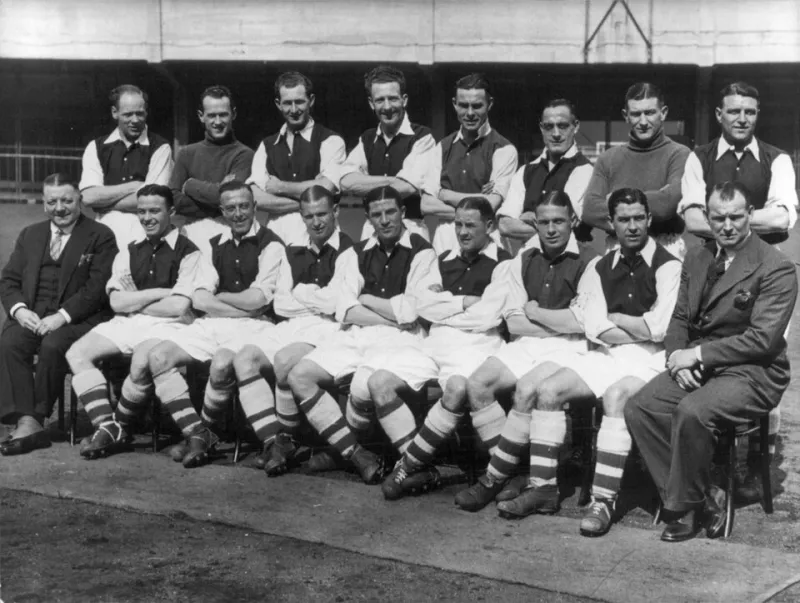
Photo: Unknown photographer, Public domain, via Wikimedia Commons
There is a particular kind of collector you meet at UK fairs who never seems to panic. They drift past the loud table with the latest box breaks, nod at a dealer, and spend twenty minutes in a scruffy box of team-issue cards before buying three things for less than the price of a sandwich. Nine times out of ten, they started out collecting football programmes.
Programme collectors are the tortoises of the hobby. They have been doing the slow, satisfying version of the chase since long before anybody put a shiny parallel in a penny sleeve. And if you are a UK sports-card hunter trying to avoid paying launch-week prices for every new release, there is a lot to learn from the way they work a shelf.
A want list is not a wish list
The first lesson is boring and therefore brilliant: programme collectors keep a proper want list. Not a vague mental note that says 'some Spurs stuff from the old days'. A real list, written down, with dates, opponents, competition and the odd note about whether a specific issue had a torn coupon or a team change printed inside.
Sports-card collectors often do the opposite. We walk into a shop, see a bright box, and suddenly our want list is whatever is in front of us. That is how a tenner becomes forty quid and a binder full of cards you did not actually need.
Try the programme approach. Before your next Saturday fair or local shop visit, write down five to ten specific cards you are chasing. Keep it realistic: a rookie card of a player you actually watch, a team-issue set from the 1990s, a matchday giveaway from a club you support, a low-numbered parallel of a non-star player. Then treat everything else as window shopping. You can still buy it, but you have to admit it is a detour, not a target.
Condition notes beat star ratings
Programme collectors are ruthless about condition, but in a quiet way. They do not need a plastic slab to tell them a 1970s FA Cup final programme has a crease near the staple. They look at the spine, the corners, the team sheet, the rust on the staples and the little pencil marks from a previous owner. Then they price it in their head and decide whether the story is worth the money.
Card collectors could borrow that energy. Most of us have got better at checking for surface scratches and soft corners, but the programme shelf method goes further: note the flaws and decide whether they matter to you. A faint surface line on a 1990s team-issue card of a cult hero may be irrelevant if the card is going in your personal binder. It matters a great deal if you are buying it to flip in six months.
The practical version is simple. Carry a small notebook or use your phone's notes app. When you see a card you like, write down the price, the visible condition and the dealer's table. Then walk away for ten minutes. If you come back and still want it, you have made a decision rather than a reaction. That cooling-off habit is pure programme-collector behaviour, and it saves more money than any discount code.
Provenance is the quiet premium
Old programmes often come with a story: a matchday ticket tucked inside, a handwritten half-time score, a team change slip. Programme collectors pay a little more for that context because it makes the object feel alive. Sports cards have their own version of provenance, and it is often undervalued in the rush for the latest release.
Look for matchday-related cards that carry a bit of history. Team-issue sets from lower-league clubs. Cards given away at a specific fixture. Local hero cards that never got a big print run. Early-season rookie cards of players who were still sitting on the bench when the set was printed. A dealer may have a whole box of them because they do not fit the current hype cycle. That is exactly where the programme-shelf mindset pays off.
At a recent fair, the crowded table was selling the newest Premier League box at a price that made my eyebrows climb. Two tables along, a dealer had a shoebox of 1990s Nationwide League team sets, each card bagged and boarded, with a handwritten label for the club and season. Nobody was queuing. The prices were the sort you could justify on a Saturday afternoon without checking your bank balance. That is the margin programme collectors have known about for years: the stuff that tells a story but does not trend.
Shop the matchday margins
Programme collectors are brilliant at shopping the edges of the hobby. They know the club shop programme hut, the church hall fair, the dealer who specialises in ephemera, the box under the table that nobody has asked to see. Card hunters can do the same.
Ask dealers what they have in the 'not quite cards' box. Look for team-issue sets, matchday giveaways, club-printed photo cards, old sticker albums and programme inserts. Some of these are not officially trading cards, which is precisely why they can be cheap. If you collect a specific club or a specific era, they can fill gaps in a binder that a modern box never will.
This is not about pretending everything is an investment. It is about finding the thrill of the chase in places the hype merchants have not strip-mined yet. A fiver spent on a scruffy but complete team set can deliver more Saturday-morning joy than a tenner spent on a single pack of whatever everyone else is opening.
The patience dividend
Programme collectors wait. They wait for the right condition, the right price, the right programme from a specific match. They do not need to own everything by Friday.
That patience is the real budget tool. In the sports-card world, the launch-week chase card almost always has a cooling-off period. The first wave of buyers pays for the thrill of being early. The second wave pays less. The third wave, often a few months later, pays the price that reflects what the card actually is. If you can borrow a programme collector's patience, you can skip the first wave entirely and spend the difference on something you will still care about next season.
So next time you head to a UK shop or fair, take a page from the programme shelf. Write the want list. Note the condition. Ask about the odd stuff under the table. Walk away once before you buy. The chase is just as thrilling, but your wallet gets to enjoy it too.