The Musty Shelf Advantage: Hunting Cards in Charity Shops This Winter
By the time the clocks go back, the card calendar has usually retreated indoors. The big fairs get thinner, the postage costs sting a bit more, and another online break starts to feel like paying for someone else's excitement. Which is exactly when the charity shop comes into its own.
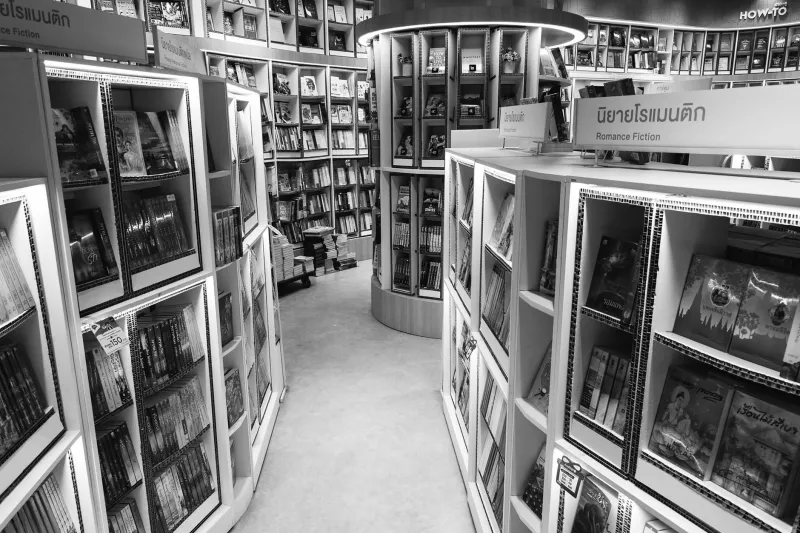
Oxfam, British Heart Foundation, Scope, the local hospice shop with the good window display and the faint smell of old paper: none of them set out to be card shops. That is the point. They are not pricing against a market tracker. They are pricing against a vague sense that a shoebox of Pokémon cards is probably worth three quid. In 2026, that makes them one of the last places in Britain where a fiver still buys you a proper rummage and a genuine jolt of the chase.
Why the musty shelf still matters
A card fair is brilliant because everyone there knows what they have. A charity shop is brilliant because nobody there does. You are not competing with a dealer who has checked the sold listings before breakfast. You are competing with a retired volunteer who has put the cards between the jigsaw puzzles and a Danielle Steel paperback.
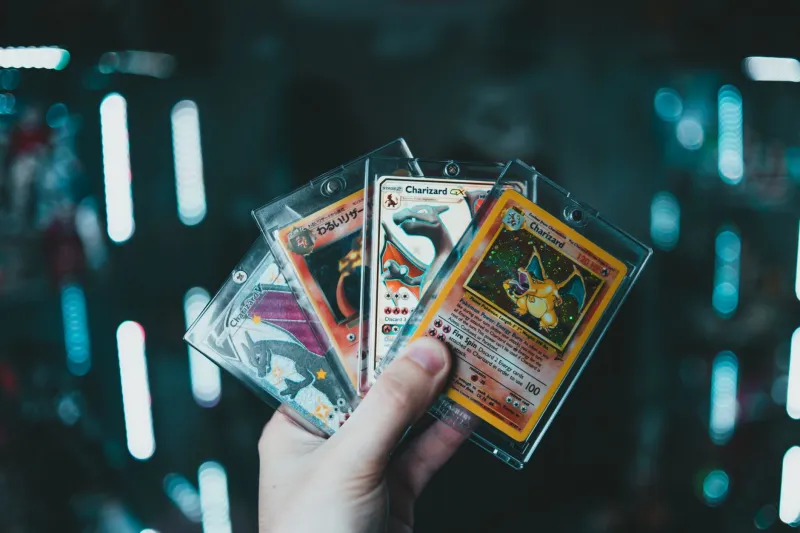
Most of what you find will be bulk. That is fine. The thrill is not in expecting a base-set Charizard behind every till. It is in the fact that the shop has not separated the good from the bad, and the price is low enough that a miss does not ruin your afternoon. A pound box at a fair is fun. A two-pound shoebox in a hospice book corner is fun and slightly feral.
What to check before you pay
Charity shops usually sell as seen, and they are not obliged to take a card back because it has a crease. So do your checking at the shelf, not in the car park.
Start with condition. Loose cards in a toy tub or a sandwich bag have often been through a washing machine, a school bag or a decade of rubber bands. Look for water staining, sun fade, pen marks, tape residue and that soft, wavy feel of a card that has been damp. Musty is not automatically fatal, but mould is. If the cards smell like a shed and feel slightly limp, leave them.
For sealed modern packs, give the wrapper a proper look. The crimp at each end should be even and machine-pressed, not lumpy or glued. The print should be sharp, with no obvious blur or spelling oddity. On modern Pokémon packs, a code card is a useful sanity check: if a supposedly sealed current pack has no code card inside, be suspicious. Tins and collection boxes should have tight, clean shrink wrap, not seams that look hand-folded. You do not need to be an expert to spot a pack that has been quietly opened and re-glued. You just need to slow down.
Sports cards turn up too, often in albums with the pages stuck together. Check for the usual: trimmed edges, faded fronts, biro team names on the back. A cheap album can still be a good album if the pages turn freely and the cards have not been stored against a radiator.
The quiet ask
There is a right way to ask a volunteer whether they have any cards out the back. It is not: 'Have you got any rare Pokémon?' It is: 'I collect trading cards. If you ever get any in, are they usually out on the shelf?'
That gives them an easy answer. If they say no, leave it. If they say they might have a box somewhere, offer to come back another day rather than asking them to disappear into the stockroom during a queue. Buy a book or a mug while you are there. Charity shops are not a treasure-hunting service, and the volunteers are not there to validate your collection. The good ones remember the polite regular.
Antique centres work differently. The person at the till is usually not the dealer. Note the cabinet number, ask the centre to pass on a message, and do not try to haggle the till staff down on a dealer's labelled price. At winter indoor car boots, the seller is right there, so a friendly 'What's the best you can do on the card box?' is fair game. Just keep it light. Nobody owes you a discount because you got up early.
A short winter checklist
Take cash, because village halls and hospice shops are not always set up for card readers. Take a phone torch for dark cabinet corners. Take a couple of penny sleeves in your pocket, but do not start sleeving cards on the shop floor like you are at a grading table. Keep a firm fiver limit and a loose tenner for something genuinely interesting.
And remember that the point is not to turn every charity shop into a side hustle. If you find one decent holo, a nice run of football stickers or a sealed pack that looks clean enough to gamble a few quid on, that is a good day. The dark afternoons have pushed the hunt indoors. A musty shelf, a sharp eye and a fiver still beat another online break for sheer, unreasonable fun.