The Polite Pause: Haggling for Cards Without Becoming a Menace

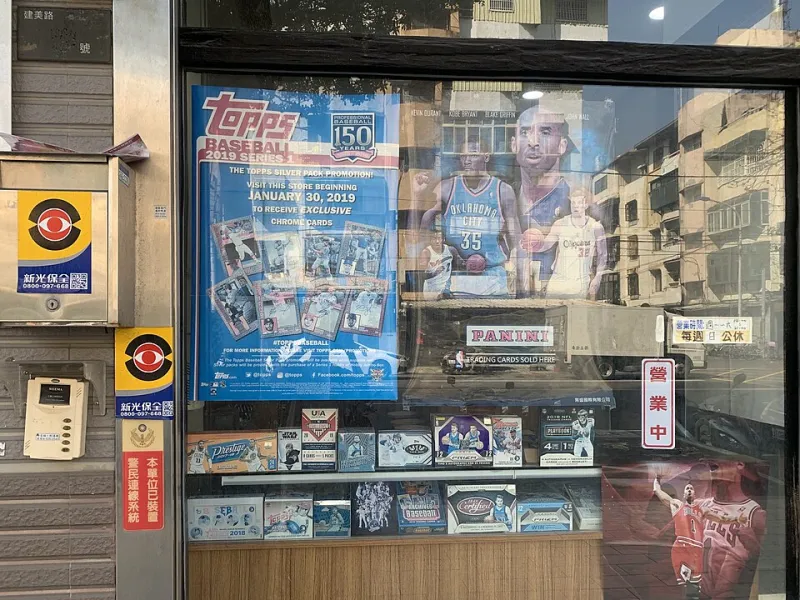
There is a particular moment in a UK card shop or fair that every collector knows. You’ve got a card in your hand, the price is on a little sticker, and the dealer is pretending not to watch you. You like the card. You’d like it more at a tenner less. And so begins the ‘I’ll think about it’ dance — a British ritual involving eyebrows, pauses, and the phrase ‘what’s your best on that?’
In 2026, with card prices wobbling about and everyone watching postage costs, haggling is tempting. But a card fair is not a car boot sale. The goal is not to win the exchange. The goal is to buy a card at a price you’re happy with, while leaving the dealer happy to see you again. The thrill of the chase should not leave a bad taste.
First, work out what kind of table you’re at
A fixed-price retail shop is different from a dealer’s table at a church hall fair. Shop staff often have less room to move, especially on new sealed product, and asking for money off every single single is tiring for everyone. At fairs, many dealers are there to turn stock into cash and space, so a sensible offer on a few cards can land well.
The obvious rule is the one people ignore: do not haggle on brand-new sealed product at release. If a shop has just opened a distributor allocation and there’s a queue behind you, asking for a discount is not clever. It’s just noise. Save your asking for older singles, scruffy binder stock, or a bundle where the dealer can see a clean sale.
The bundle is your best opening
One card, one price, little room. Three or four cards, and suddenly there is a conversation. This is the most British form of negotiation there is: not ‘give me money off’, but ‘what can you do on these together?’
Pick your cards, put them down neatly, and ask something like: ‘What’s your best on these three?’ It gives the dealer a chance to do the maths without feeling accused. If the total is £42 and you were hoping for £35, you can say: ‘I’’m at £35 for the lot — would that work?’ It is clear, polite, and leaves a yes or no.
Do not bundle a £4 common with a £200 chase card and expect a heroic discount. The dealer knows what the chase card is worth. Bundle offers work best when everyone can see the dealer still makes a sensible margin and gets rid of a few cards at the same time.
Read the table before you read the price
Some dealers price to sell and do not want to negotiate. You can usually tell. Every card has a fresh sticker. There’s a ‘firm’ sign. The boxes are neatly sorted and the dealer is busy with a queue. In that case, pay the asking price or leave it. There is no shame in either.
Other tables are more open. A dealer with a scruffy box and a chair might say ‘have a mooch’ or ‘make me an offer on that one’. That is your invitation. Even then, ask once. ‘Is there any wiggle on this?’ is a soft opener. ‘Would you do £X?’ is more direct. Both are fine. What is not fine is asking, getting a no, and then asking again in a slightly different way. That is not haggling; that is nagging.
The phrases that help — and the ones that hurt
Good phrases tend to be short and clear. ‘What’s your best on the bundle?’ ‘Would you take £30 for these two?’ ‘I’ve got £25 on me — would that work?’ Notice that none of them insult the card or the dealer. They just put a number on the table.
Less helpful phrases include ‘I can get it cheaper online’, unless you genuinely can and you say it gently. Even then, remember you are paying for the card now, in your hand, without postage or a wait. ‘That’s a rip-off’ is never a negotiating tactic. Nor is sighing loudly, checking your phone, or making a face at the sticker. Dealers talk to each other. So do collectors.
The polite walk-away is not a threat
If the answer is no, the correct move is a small smile and a careful return of the card. ‘No worries, thanks — I’ll have a think.’ That is it. You are not storming off. You are not pretending to leave so the dealer chases you down the aisle. You are simply ending the conversation politely.
Sometimes the dealer will say, ‘Go on then, £35.’ Sometimes they won’t. Both are fine. If you said you’d think about it, actually think about it. Do not come back five minutes later and offer the same amount again. If you decide the original price was fair after all, go back and pay it with good grace. That is how you build a reputation as a straightforward buyer.
Know when not to ask
Do not haggle on a £3 card. Do not haggle at a charity table. Do not haggle with a dealer who is clearly packing up, dealing with a queue, or helping a child pick their first card. And do not haggle if you are not actually prepared to buy at a sensible middle price. The ‘I’ll think about it’ dance is a conversation, not a performance.
Paying asking price on a cheap card now and then is not weakness. It is credit. The dealer remembers the person who was easy to deal with. Next time, when you ask about a bundle, you are not a stranger trying it on. You are the collector who bought something last month and didn’t make a fuss.
The chase is better when everyone’s still smiling
The best card-shop negotiations end with both people feeling slightly pleased. You got a little off a bundle. The dealer moved some stock and kept a customer. Nobody had to be clever. Nobody had to be humiliated. The card goes in the binder, and the table is still there next month.
So the next time you’re holding a card and doing the mental arithmetic, try the polite pause. Ask once. Put a fair number on the table. If it’s a no, say thanks and mean it. In Britain, the quietest haggle is usually the one that works.