Clean Hands and Quiet Voices: The Shop-Floor Habits That Mark You as a Keeper
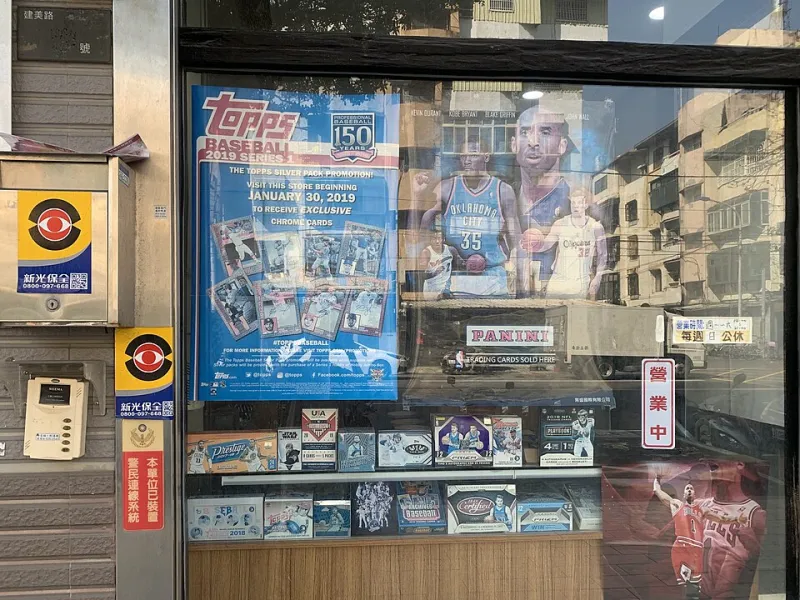
Photo: Tbatb, CC BY-SA 4.0, via Wikimedia Commons
The best card shops in Britain are not really shops. They are rooms with a till, a display case and an unwritten social contract. You can buy a single booster pack, sure, but you can also accidentally become the person everyone groans at when you walk in. Nobody wants that. The good news is that being a welcome regular is mostly a matter of small, obvious things done consistently — especially on a busy Saturday when the shop is full of kids, binders and the smell of fresh sleeves.
The door, the desk and the first thirty seconds
A card shop is not a library, but it is not a warehouse either. When you come in, say hello. Nothing theatrical. A nod and an all right is plenty. If there is a queue, join it rather than leaning over someone to ask whether they have any Prismatic Evolutions left. And please do not dump your rucksack on the counter while you root around for a tenner. Counter space is precious. So is the patience of the person behind it.
The same goes for the doorway. Standing in it with your coat half off, scrolling your phone, is a brilliant way to block a mum with a pram and a six-year-old with birthday money. Move inside, move aside, then get yourself sorted.
Ask before you open anything
A trade binder is not a public amenity. It is someone's personal project, often assembled over years, sometimes with cards that have travelled to more card fairs than you have. Ask before you touch. A simple mind if I have a look goes a long way. Wait for the yes. And when you do get the yes, turn the pages slowly. Do not bend the binder back on itself like it is a paperback you are trying to crack the spine of.
If the binder belongs to the shop, the same rule applies. Staff are usually happy for you to browse, but they will be less happy if you have taken the whole thing apart across the counter while they are serving. Ask where it should stay. Ask whether they want you to pull cards out. It sounds fussy. It is not. It is just the difference between browsing and creating a small administrative crisis.
Hands, sleeves and the sacred top loader
Clean hands are not a high bar, but you would be surprised. If you have just demolished a sausage roll from the bakery down the road, have a wipe or at least wait until you are not leaving a trail of pastry dust across a holo. Nobody wants to buy a chase card with a faint whiff of Greggs about it.
When someone hands you a card, treat it like it is made of butterfly wings. Hold it by the edges. Do not riffle it. Do not tap it on the counter to square it up. Do not bend it gently to see if it is fake — that is not a test, that is a crime. If the card is in a sleeve or a top loader, put it back the way you found it. If you are looking at a stack, do not fan it out like a hand of poker. Take the top card, look, replace. Repeat.
And if you are the one showing cards, do not be afraid to say so. A quiet these are mint, please be careful is not rude. It is just good shop-floor communication.
The display case is not a bus shelter
The glass case is where the good stuff lives. It is also where a lot of collectors unconsciously turn into window-leaning statues. Do not lean on it. Do not tap it. Do not press your phone against it to take a photo with the flash on while the staff are trying to count stock. If you want to see something, ask. If you are not sure what you want, say so. Staff would much rather pull out three cards for you to inspect than watch you fog up the glass for ten minutes.
There is also a queue etiquette to the case. If someone is mid-conversation about a card, let them finish. Do not sidle in with a question about a completely different set. And if you are just browsing, say that too. Browsing is allowed. Pretending to browse while hovering aggressively is not.
Trading without turning into a car boot sale
Trade offers are part of the fun, but they need a light touch. If you want to make an offer, make it clearly and politely. Do not open with a ridiculous lowball and then act wounded when it is refused. Do not follow someone around the shop with your binder open, hoping persistence will wear them down. And do not try to negotiate while they are paying for something at the till. There is a time and a place, and it is not through a card machine transaction.
A good trade feels like a conversation, not a siege. If the answer is no, take it well. There will be other cards. The person you are trading with will remember that you were decent about it, and that matters more than squeezing an extra fiver out of a deal.
Let the kid have the card
This is the one that separates a decent collector from a good one. If a younger collector is at the table with a fiver and a hopeful expression, and the card they want is one you were vaguely thinking about buying, step back. Let them have first go. You can find another copy. They will remember the day they got the card they came for.
The same applies in the shop. If a child is carefully counting coins for a single pack, do not swoop in and clear the shelf. If they are asking staff a question, do not talk over them. A card shop should feel like a place where a nine-year-old can be taken seriously. That is how the hobby keeps going.
Buy something, say thanks, and do not make it weird
You do not have to spend a fortune every visit. A pack, a couple of sleeves, a single card from the bulk box — it all helps. What does not help is treating the shop as a free museum with Wi-Fi. If you have spent an hour looking through binders and asking questions, buy something small if you can. If you cannot, say thanks and mean it.
And when you leave, leave. Do not hold the door open for a five-minute conversation about the state of the meta while someone behind you is trying to get in out of the rain. A quick cheers, see you next week is the mark of a collector who gets it.
At Holofoil, we like shops that feel like clubs you can walk into without a membership card. They only stay that way if the people who use them remember the small stuff. Clean hands. Quiet voices. Ask first. Let the kid have the card. Do that, and you will be welcome back long after the latest set has stopped being the latest set.