The Tenner Envelope: How to Judge a Card Shop Repack Without Spoiling the Fun
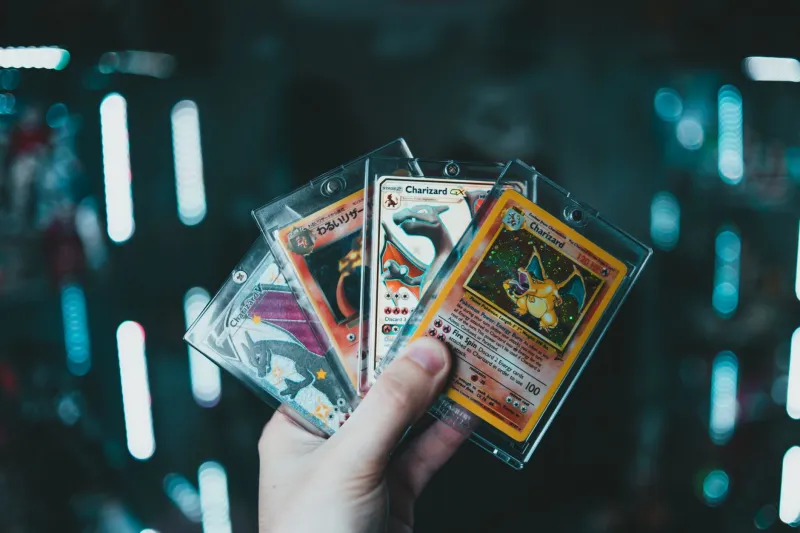
There is a particular kind of hope that lives in a card shop. It is not the grand hope of pulling a grail from a sealed booster box. It is smaller, cheaper and usually wrapped in a plain paper bag with a sticker on the front. The mystery repack. The lucky dip. The tenner envelope behind the till.
In 2026, these things are everywhere. Some are honest, transparent little bundles put together by a shop that knows its regulars. Others are closer to a tax on optimism: a handful of bulk commons, one slightly scratched holo and a lot of vague language about a 'chance at something big'. The difference between the two is rarely the price. It is the information.
What a repack is, and what it is not
A repack is a shop-made product. It is not a licensed Pokémon or Magic release, and it does not come with the same guarantees. That is not automatically a bad thing. A good shop can use repacks to move spare singles, clear older stock and give younger collectors a cheap thrill. A bad one can use the same format to turn unsellable bulk into a tenner.
The key is to treat it like any other purchase. If the bag says 'chance of a chase card' and nothing else, you are not buying a repack. You are buying a raffle ticket with cardboard attached. Ask what the floor is. Ask what the ceiling is. Ask whether the odds are printed, roughly stated or simply implied by the shopkeeper's raised eyebrow. A decent shop will tell you. A shop that gets defensive about a tenner bag is telling you something too.
The three-question test
Before you hand over the money, run the bag through three questions.
First, what is the worst realistic pull? Not the absolute worst thing that could happen, but the ordinary outcome. If the answer is 'twenty commons I would not pick up from a free box', the bag is already failing. A fair repack should have a floor you can live with: a few playable cards, a couple of nice arts, maybe a low-value holo you would actually sleeve.
Second, what is the best realistic pull? If the shop is hinting at a £100 card but the bag costs £10, the maths is doing a lot of heavy lifting. That does not mean it is a scam. It means the chase is the product. You are paying for the feeling of possibility. That is fine, as long as you know it.
Third, would you buy the non-hit portion separately? If the answer is no, you are not really buying cards. You are buying the opening. That can still be worth a tenner on a Friday night, but it should not become your main collecting strategy.
Warning signs behind the counter
Most junk repacks announce themselves in small ways. The bag feels light for the price. The contents are not listed beyond a generic 'mixed cards'. The odds are described as 'good' or 'decent' rather than as numbers. The chase card is mentioned by name but not shown, or shown as a stock photo with no indication of condition. The bag has no date, no shop branding and no indication of whether the cards are sealed, sorted or simply swept off the back table.
There is also the language problem. 'Ex-display' can mean lightly handled. It can also mean 'sticky-taped to a shelf for three years'. 'Shop soiled' is honest. 'Mystery bag' is not a description; it is a mood. None of these are automatic red flags on their own, but together they suggest a bag built to be bought quickly and opened quietly.
One more thing: check the condition of the visible card, if there is one. A repack that shows a nice holo through the wrapper but has not protected the corners is telling you exactly how much care went into the rest of it.
When a punt is genuinely good fun
A tenner on a mystery bag is not a financial decision. It is entertainment. If you would happily spend the same amount on a cinema ticket, a pint and a packet of crisps, or a bad football programme, then the bar is low. The question is whether the bag gives you a similar amount of fun for the money.
That is why the best repacks tend to come from shops you already trust. They are put together by someone who knows the local scene, priced so the shop makes a margin without taking the mickey, and honest about the fact that most bags will not contain a grail. They often land best at shop nights, release days or as a birthday present for a younger collector. The thrill is shared. Someone else is watching you open it. There is a bit of theatre to it.
The habit becomes a problem when the bag is no longer the treat but the plan. If you are buying three envelopes a week because the last one was rubbish and the next one owes you, that is not collecting. That is chasing. Set a limit before you go in. One bag, one shop visit, one budget line. If you would be embarrassed to show the contents to a mate, it is probably a tax on hope rather than a thrill of the chase.
Ask better questions, get better bags
Repacks are not going away. They are too useful to shops and too tempting to collectors. The answer is not to avoid them completely, but to treat them like any other part of the hobby: with a bit of scrutiny and a sense of proportion.
Ask what the floor is. Ask what the odds are. Ask whether the cards are sealed or loose. Ask if the shop would buy the bag back for anything close to what you paid. The answers will tell you more than the wrapper ever will.
And if you find a shop that does it well, tell them. A fair repack is a small kindness to the local scene. A bad one is just a tenner with a mystery attached. In 2026, with card prices wobbling and postage costs doing their usual damage, the difference matters. Keep the thrill. Lose the tax.