Sticker Stories: Reading the Little Labels That Outlive the Shop
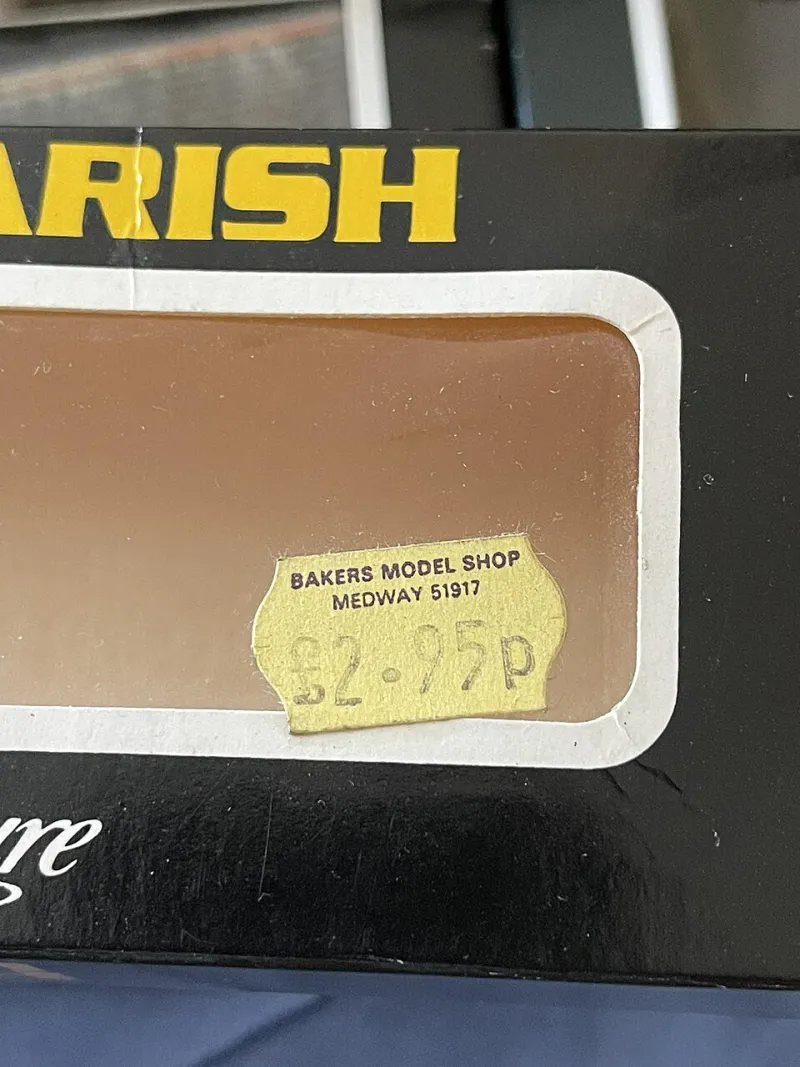
Photo: Mike Wigley, CC BY 4.0, via Wikimedia Commons
There is a particular sort of card that turns up in UK shop trays and fair boxes: a slightly tired holo, a sports card with soft corners, or a faded common from a set you half-remember, and somewhere on it sits a price sticker from a shop that no longer exists. Most buyers see damage. Collectors with a bit of patience see a biography. The sticker is not the value, but it is evidence — and reading it properly can tell you plenty before you hand over your money.
First, Decode What Is Actually There
Start with the obvious. A price sticker can carry a shop name, a town, a postcode fragment, a handwritten price, a date code, or a set of pencilled initials. Some are printed labels from high-street chains; others are the sort of tiny white rectangle a market trader used because it was cheap and to hand. None of this proves a card is rare, but it does narrow down where it has been.
Pencilled initials are the most misunderstood. They might be a dealer code, an owner mark, a binder-page reference, or simply the initials of someone who once owned the card. It is tempting to invent a story around them, but the sensible reading is simpler: someone handled this card, priced it, sorted it, or tried to keep track of it. That is useful context, not a certificate of authenticity.
Old currency is another clue. Pre-decimal labels are a genuine historical marker, but most Pokémon-era stickers are not that old. A sticker from a long-gone local newsagent or toy shop can still be decades old without being mysterious. The design of the label, the font, and the shop name will tell you more than the number on it.
Harmless Charm, or a Warning Sign?
Where the sticker sits matters far more than what it says. A label on a penny sleeve or a top loader is basically harmless. It is packaging history, not card damage. A label stuck directly to the card face is a different matter. It can hide surface wear, leave adhesive residue, stain the card over time, or lift print and gloss when someone tries to remove it.
On a budget card, a sticker on the card itself can be charming. It is part of the object's journey, and plenty of collectors will happily keep a 50p sticker on a scruffy common because it reminds them of a particular shop or fair. On a modern holo, though, a sticker can obscure the very thing you are buying: the finish, the pattern, the surface condition. On vintage sports cards, it can make an already tricky condition call even trickier.
The practical rule is straightforward. If the sticker is on a sleeve, ignore it. If it is on the card, treat it as a condition issue and price accordingly. Do not assume it is hiding a disaster, but do not assume it is innocent either. Look closely at the edges of the label. Is it lifting? Is there a tide mark? Has the card yellowed around it? Those are the details that matter.
What a Long-Hoarded Label Looks Like
A yellowed, brittle sticker with a faint shop name and a price that feels wildly out of step with today's market can suggest long-hoarded stock. That does not automatically make the card a bargain. It might have sat in a box for years because nobody wanted it, or because it was priced too high in 2004 and never revisited. Old stock is not the same as good stock.
Multiple labels are more interesting. A card with an older sticker underneath a newer one has clearly passed through more than one pair of hands. That can point to a collection that was bought, sorted, and repriced, or simply a dealer reusing old stock. Again, it is a clue, not a guarantee. The same goes for pencilled initials that match a dealer's code: useful to know, but not a reason to pay over the odds.
What old labels do give you is a reason to ask better questions. If you are at a village-hall fair or a scruffy shop tray, ask the dealer where the box came from. Most are happy to talk. A card with an old label is often part of a bulk lot, a house clearance, or a collection that has been sitting in someone's loft. That context can help you judge whether the rest of the box is worth a proper look.
When Peeling Is a Mistake
This is the part where enthusiasm costs money. If a sticker is on the card face, do not start picking at it in the shop. Dry peeling can take gloss, print, or a slice of the holo with it, and then you own a card with a sticker-shaped scar and no sticker. Internet shortcuts involving heat, oils, or solvents are not a good idea on trading cards unless you really know what you are doing. For a cheap card, the risk is rarely worth it. For an expensive one, get proper advice or leave it alone.
If the sticker is on a sleeve, remove the sleeve and keep the label with the card if you like that sort of thing. If it is on a top loader or case, photograph it before you do anything. For sellers, the advice is even simpler: do not peel a sticker to make a card look cleaner. Disclose it, photograph it, and let the buyer decide. A visible sticker is a known quantity. A sticker removed badly is a problem.
Buying: Use the Label as a Question, Not a Certificate
When you are buying, let the sticker start a conversation rather than close a deal. Ask whether the card came from an old shop stock box or a collection. Check the condition around the label. If the sticker is on the card, factor it into your offer. If it is on a sleeve, do not let it distract you from the card itself. And do not use an old 50p sticker as a haggle weapon against a dealer who has repriced the card for 2026. The sticker is history, not a current price tag.
Selling: Keep the Story, Lose the Guesswork
If you are the one selling, a sticker is not automatically a flaw to hide. Photograph it, mention it in the listing, and describe whether it is on the card or the sleeve. Price the card on condition, not on the sticker's age. Some buyers genuinely like old shop labels, especially if they remember the shop or collect local card-shop history. That is a nice bonus, not a licence to inflate the price.
The bottom line is that old labels are not value. They are evidence. Treat them as a clue to a card's journey, keep them when they are harmless, and leave them alone when peeling could make things worse. In a UK market full of repacks, bulk boxes, and mystery trays, a faded sticker is one of the few honest things left on the card. Read it, ask about it, and then buy the card — not the story.